

- You have no items in your shopping cart
- Continue Shopping
Posted on


If you want to play aviator games well, it is essential to grasp its symbols. The game doesn’t use the classic symbols of a traditional slot machine. The design language is clear and focused on data, designed for real-time decisions. You will encounter a simple group of symbols and numbers that show you all about the current round, the rising multiplier, and when to act. This guide explains each visual component, from the primary airplane to the betting panel and history logs. After you learn the role of each element, you are able to play with increased assurance and a sharper plan. The layout is centered around clarity, so when the action heats up, the information necessary is right there in front of you.
Comprehensive Examination of the Gambling Panel
Let’s look closer at the wagering panel, your command hub. Every single component fulfills a purpose. Your funds is more than a figure; it’s your capital for the game, determining what you can bet. Picking your wager size is important because it scales your possible gain and exposure immediately. The projected win indicator is a strong driver, showing your possible success visible and affecting your timing. The withdrawal button, usually prominent and central, is your gateway to claiming money. How large it is indicates how critical it can be. The auto cash-out field turns a straightforward value into an automated process, eliminating human delay out of the the formula. When you comprehend how these pieces function as a whole, you can arrange the layout to fit your style, whether you prefer quick manual plays or a greater passive, systematic strategy.
The Multiplier Panel and Wager Grid
Right next to the aircraft, you’ll see the current multiplier in prominent, bold digits. This is the most critical figure on the screen. It displays the specific value your active bet will be multiplied by if you cash out now. The betting panel around it holds other crucial icons and numbers. You will see your total balance, a field to set your bet amount, and the key “Bet” and “Cash Out” buttons. Many versions also include an “Auto Cash Out” feature where you can set a target multiplier beforehand. Frequently, a “Potential Win” amount refreshes in real time next to the multiplier. This whole collection of displays and buttons is your command center. Understanding what each one does is essential before you place a wager. Getting comfortable with this panel is how you transition from watching and start making calculated decisions.
- Current Balance:
- Bet Amount Selector:
- Potential Win Display:
- Cash Out Button:
- Auto Cash Out Setting:
The History Panel and Past Rounds
You’ll often find a history board or previous rounds display next to the primary game screen. It employs basic symbols: a sequence of numbers showing the coefficients from recent rounds where the aircraft departed. These numbers often show up in a grid or column. Some game editions use color coding, using red tones for extremely low payouts and green tones or blue tones for larger values. Bear in mind, this panel is only for reference. It does not forecast what will take place next. It lets you see the game’s volatility and recent performance. The key point to realize is that this record is a record of prior random outcomes, not a puzzle to solve. It can give you a feel for the game’s current rhythm, which could aid you choose whether to play it safe or go for a larger gamble in the upcoming round.
The Central Aircraft: The Core Multiplier Symbol
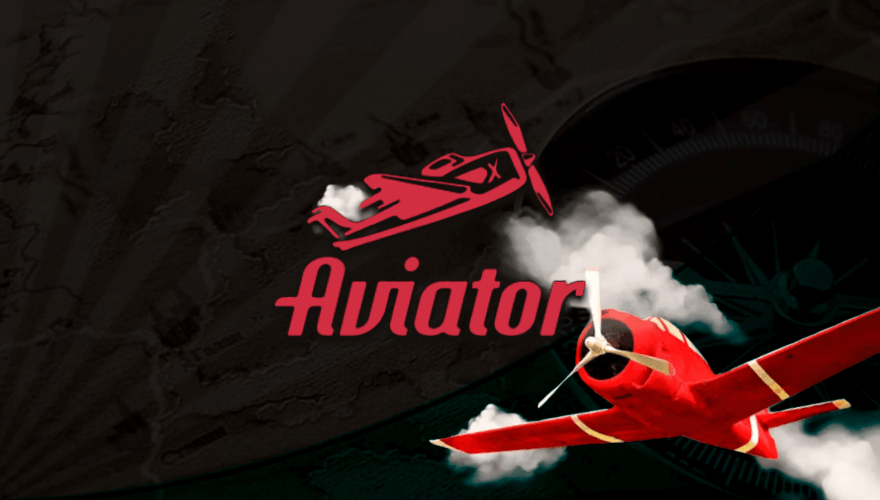
That plane is the star of the action. It’s an animated symbol, not merely a picture. When a round starts, the jet begins to climb from the bottom left area of your screen. Its ascent is tied directly to the multiplier number, a number shown next to the aircraft. As the plane climbs, the multiplier grows, starting from 1.00x. Here’s the catch: the aircraft can vanish at any given moment. When it disappears, the session ends and the multiplier value drops to zero. So this plane symbol is a real-time display of both your chance and your risk. Your task is to hit “cash out” and lock in your winnings before the jet disappears. The trajectory is the game’s essence, turning a straightforward animation into a source of genuine suspense. The steady ascent and the uncertain finish create that special thrill. The plane isn’t just an icon; it is a live tracker of your possible winnings and the danger of losing it all.
Standard Visual Cues and Visual Feedback
Aviator games use more than static symbols. Visual cues and visual cues give you feedback and ramp up the excitement. The plane’s smooth climb is the main event. When you effectively cash out, you’ll often see your winnings get added to your balance, sometimes with a little sparkle or celebratory sound. If the plane flies away before you cash out, the screen might jolt briefly or the multiplier display could flash. The potential win number usually rises quickly during the flight, adding to the kinetic feel. These effects are designed to build anticipation and give you instant, clear feedback on your actions. Spotting these cues helps you stay focused during fast rounds. You adapt to the game’s events instead of being distracted by them. They act as emotional punctuation marks, making moments of success and loss clear.
Comprehending Numerical Values and Ranges
The numbers in Aviator are representations themselves. They reflect real money outcomes. The multiplier can start at 1.00x and go very high, though in practice it usually stays within certain limits. You need to comprehend the relationship between your bet size, the multiplier, and your final win. For instance, a $10 bet at a 2.50x multiplier gives you a $25 return (a $15 profit). It’s also key to understand what counts as a “win.” Cashing out at 1.50x always gives a profit, but the size depends on your original stake. The auto cash-out feature turns a number you pick into an automatic command for the game. Interpreting these numbers correctly is the basis of any strategy. They translate the abstract flight of a plane into concrete changes to your balance. A solid grasp of basic math is one of the most useful tools you can have.
- Low-Range Multipliers (1.10x – 2.00x):
- Mid-Range Multipliers (2.01x – 5.00x):
- High-Range Multipliers (5.01x and above):
Round Status Indicators and Notifications
Small symbols and text messages keep you informed about the game’s status. When a round is about to begin, you’ll usually see a “Place Your Bets” message or a countdown timer. After betting closes, a “Round Started” indicator becomes visible and the plane begins to climb. The most important alert is the “Aircraft Crashed” or “Fly Away” message that appears when the round ends on its own. If you cash out manually, you’ll usually get a confirmation like “Cash Out at [X] multiplier!” along with a sound or visual effect. The game might use color changes too; the “Cash Out” button might illuminate or change color when a profit is available. These indicators are the game’s way of communicating with you, guiding you through each step. Spotting these signals prevents you from getting confused. You’ll always know when you can act and when the round is truly over.

Interface Icons for Settings and Details
Around the edges of the main screen, you will see typical symbols for extra functions. There’s usually a gear or options button for game settings. From here you can adjust volume, visuals, or review your cash-out preference. An “i” or information icon nearly always leads to the game regulations and a breakdown of how it works. A statistics icon can open a deeper statistical breakdown than the central history display. Some game variants include a button to change between different visual themes for the plane or background. These buttons do not affect the fundamental gameplay, but they matter. They let you customize your gameplay, read the full rules, and locate safe gaming features. Understanding these symbols lets you adjust the game to your taste and get help without ever exiting the interface.
- Settings Icon (Preferences):
- Info (“i”) Icon:
- Statistics or History Button:
- Visual Theme Chooser:
- Customer Support Button:
Icons and Responsible Gameplay
You’ll also locate symbols for responsible gaming, like a green checkmark, a clock, or typical icons for setting account limits and self-exclusion. These are typically in the settings menu or as fixed links on the gaming platform itself. They don’t belong to the core action, but they could be the most important symbols to identify. They stand for the controls you have to control your time and spending. Understanding these options exist and how to find them helps maintain the game fun and within your personal limits. In the end, learning Aviator’s symbols isn’t just about deciphering multipliers and buttons. It’s about grasping the whole interface, including the features that help you play responsibly. A well-informed player knows how to play the game and how to use the tools available to maintain it under control.